🏛️ Origins of the Naadam Festival
A Celebration Rooted in History
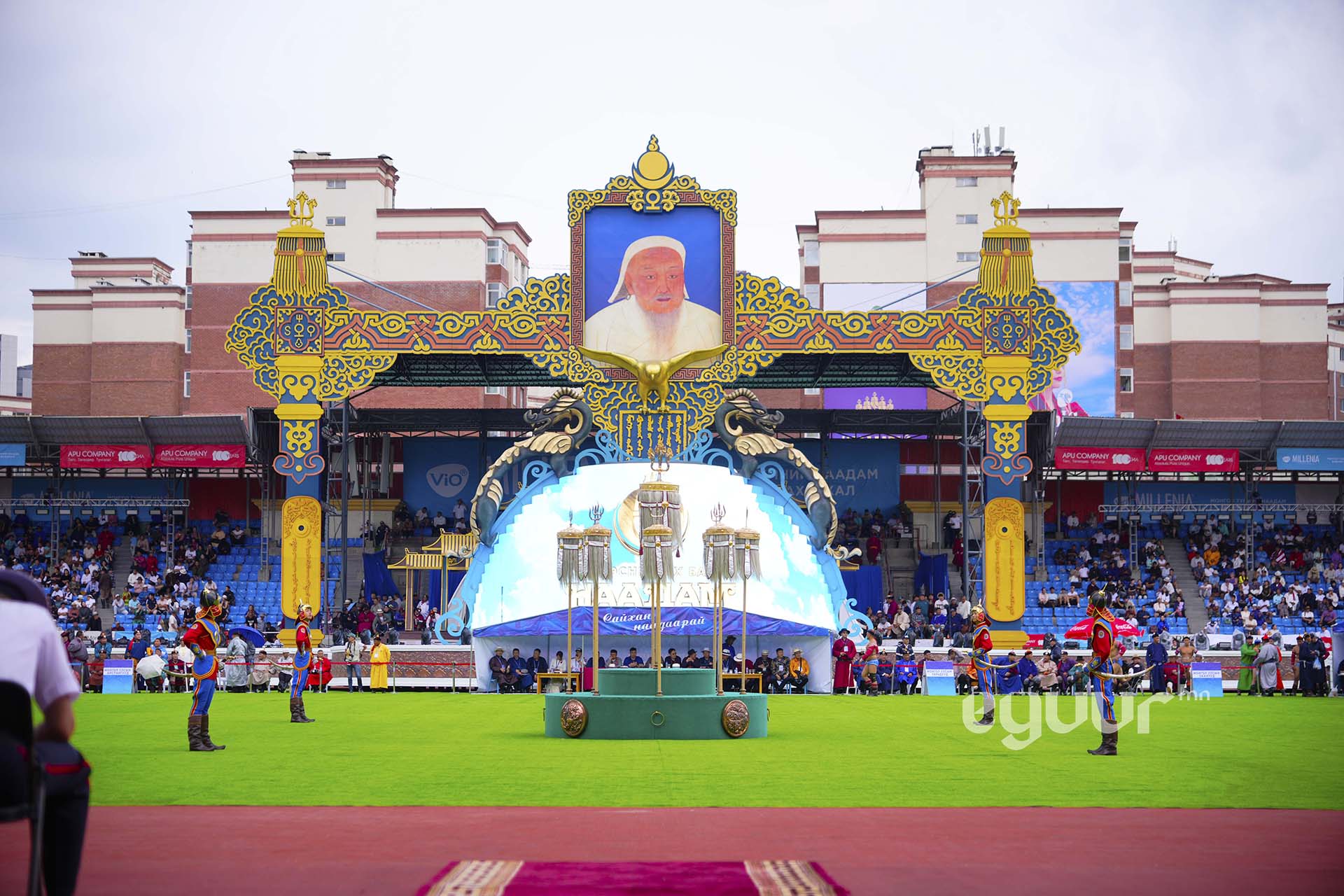
The Naadam Festival has deep historical roots that go back over 800 years, to the time of the Genghis Khan and the rise of the Mongol Empire. Originally, Naadam was not just a celebration—it was a way to train warriors and strengthen the army.
From Military Training to National Festival
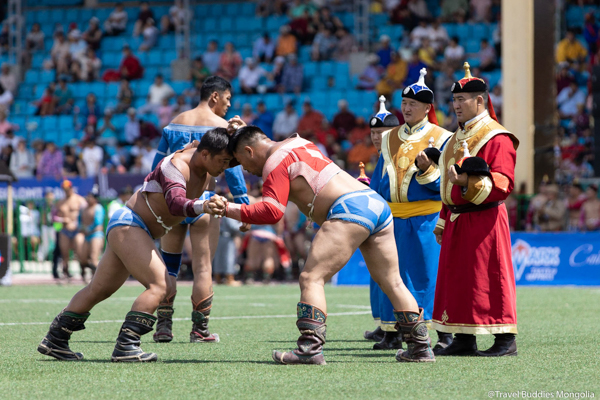
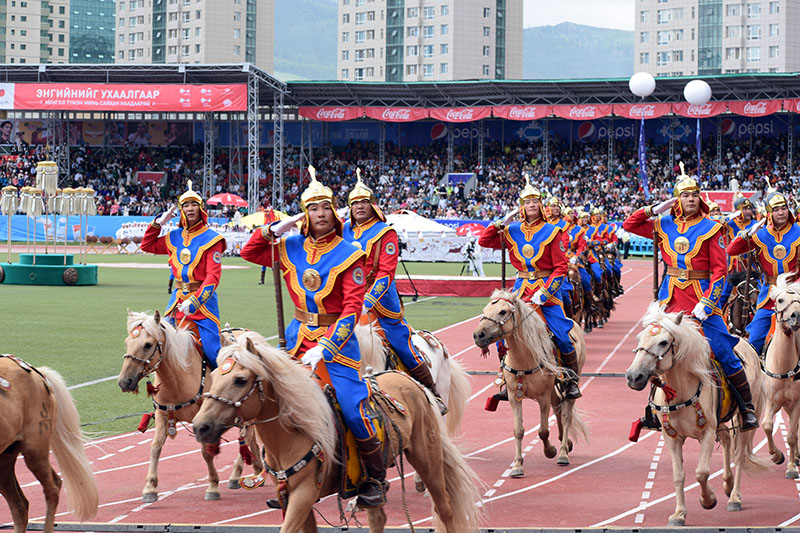
In ancient times, the core events of Naadam—wrestling, horse racing, and archery—were essential military skills:
- Horse riding prepared soldiers for long-distance travel and combat
- Archery was crucial for hunting and warfare
- Wrestling built strength, endurance, and discipline
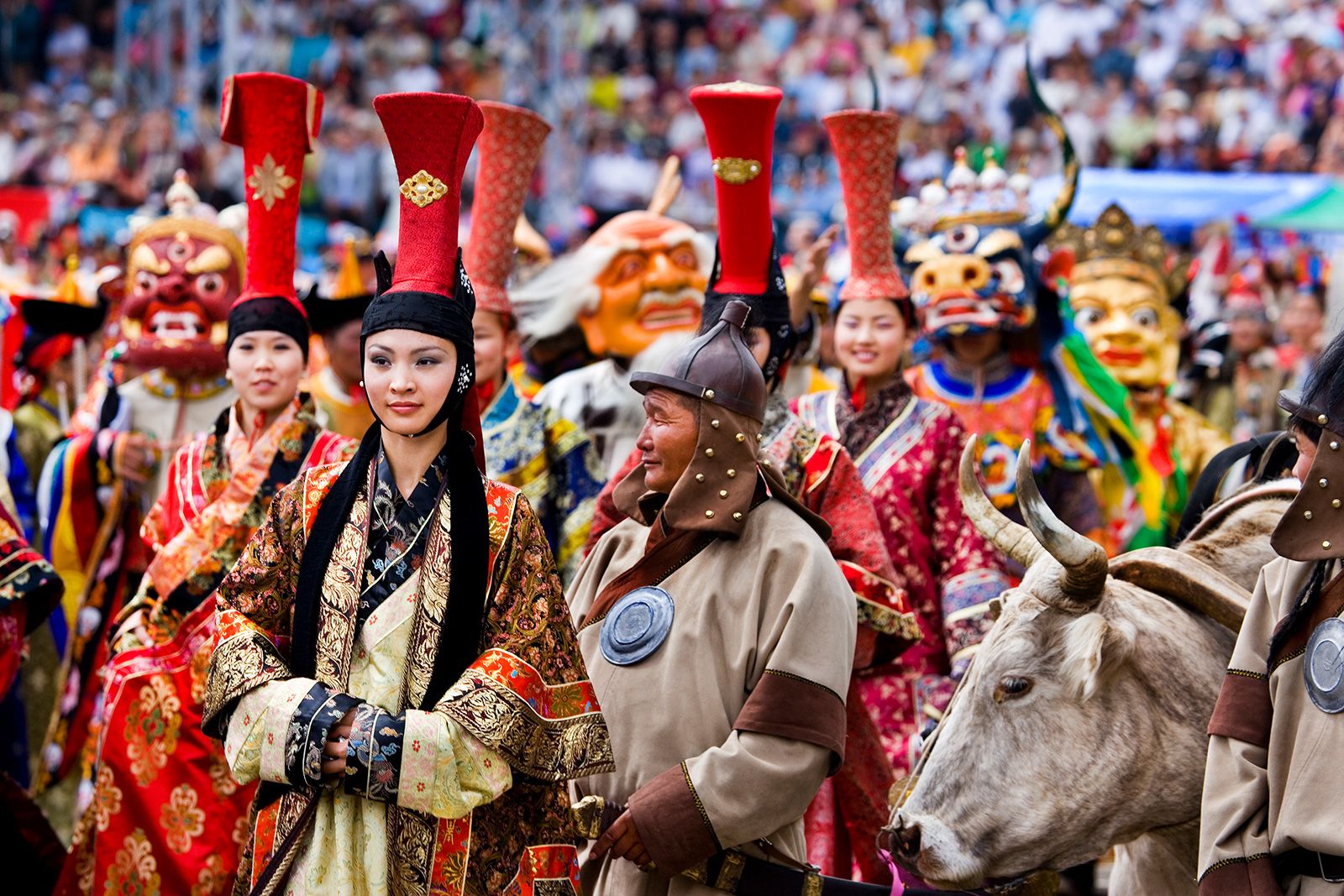
Over time, these competitions evolved from military exercises into festive games, becoming a symbol of unity, strength, and national identity.
Spiritual and Cultural Traditions
Naadam was also closely connected to spiritual practices:
- It was often held during religious ceremonies and seasonal gatherings
- People celebrated nature, prosperity, and the strength of the community
- Rituals and customs were passed down through generations
Naadam Today
Today, Naadam is Mongolia’s most important national festival, celebrated every year from July 11–13. It honors the country’s history, independence, and nomadic heritage while welcoming visitors from around the world.
✨ Did You Know?
- The modern Naadam Festival is officially linked to the anniversary of Mongolia’s revolution in 1921
- It combines ancient traditions with modern national pride
- Naadam is recognized as part of the UNESCO Intangible Cultural Heritage of Humanity